Stinging nettle (Urtica dioica) is a remarkable and often misunderstood plant that has been both revered and reviled throughout history. Known for its sharp stinging hairs that can cause a painful, burning sensation upon contact with the skin, this plant has been used for centuries for its various medicinal, culinary, and textile purposes. In this article, we will explore the fascinating world of stinging nettles, shedding light on its unique characteristics and the numerous benefits it offers.
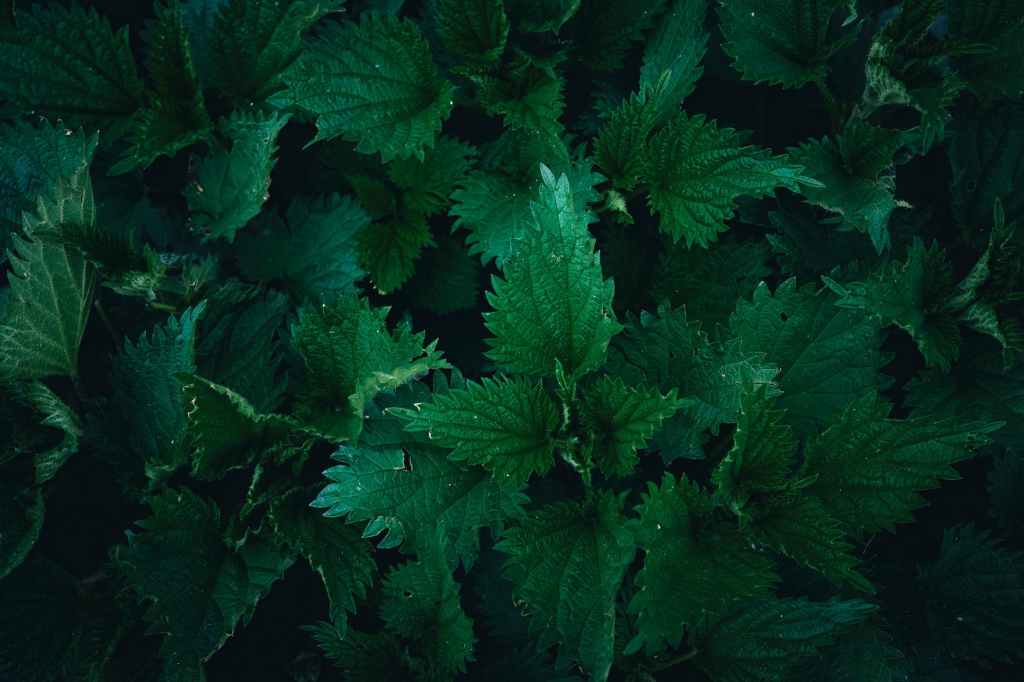
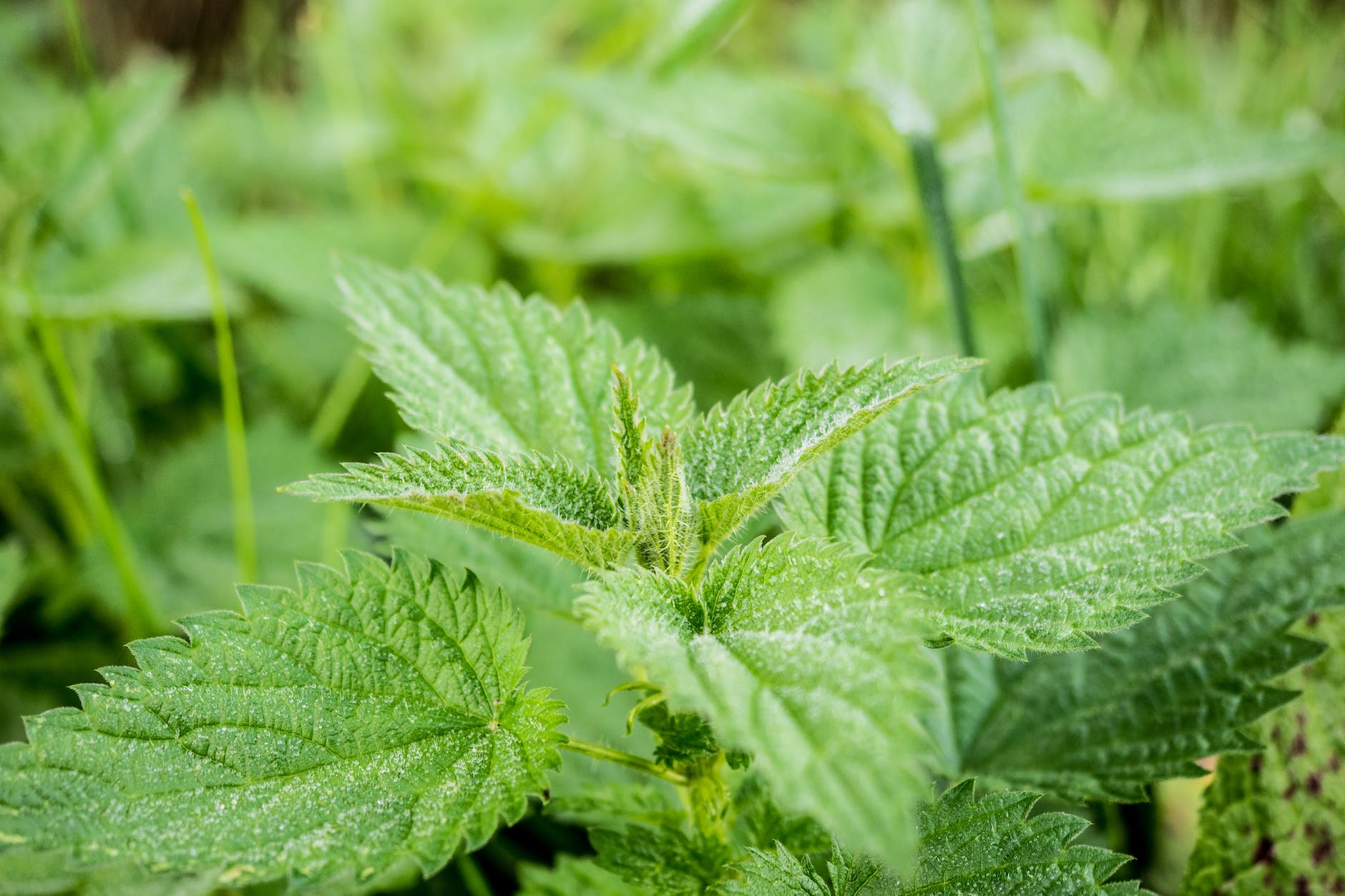
Stinging nettle is a perennial plant that can grow to heights of three to seven feet. Its serrated, heart-shaped leaves are dark green and covered in tiny, hair-like structures called trichomes. These trichomes contain a cocktail of chemicals, including histamines and formic acid, which are responsible for the infamous sting. The plant produces inconspicuous greenish-brown flowers in late spring to early summer.
Nettles are incredibly adaptable and can be found in various habitats around the world, from North America and Europe to Asia and Africa. They thrive in rich, moist soils and are often found along riverbanks, in meadows, and on the edges of forests.
The Sting and Its Purpose
The stinging hairs of the nettle serve as a defensive mechanism against herbivores and other potential threats. When brushed against, these hairs break open, injecting a mixture of irritants into the skin. This results in a painful, burning sensation and a rash, which can last for several hours. While the sting can be unpleasant, it is usually not dangerous, and the discomfort can be relieved with simple remedies like applying a soothing plantain leaf or baking soda paste.
Despite the discomfort, nettles have been valued for their stinging properties. In some traditional cultures, people believed that being stung by nettles could alleviate pain and improve circulation, leading to practices like urtication, where nettles were intentionally applied to the skin to treat various ailments.
Culinary Delights
Nettles have a long history of culinary use, dating back to ancient times. Despite their sting, they can be a nutritious addition to one’s diet when properly prepared. The stinging hairs lose their potency when exposed to heat or dried, making the plant safe for consumption.
Nettle leaves are rich in vitamins (A, C, and K), minerals (such as iron, calcium, and magnesium), and protein. They have a slightly nutty, earthy flavor that works well in a variety of dishes. Common culinary uses for nettles include soups, teas, omelets, and pesto. Nettle tea, in particular, is a popular choice among herbal enthusiasts and is believed to have numerous health benefits, including as a diuretic and anti-inflammatory.
Medicinal Marvel
Beyond its culinary uses, stinging nettle has a long history as a medicinal herb. Traditional healers from various cultures have employed it to treat an array of conditions, and modern research has started to validate some of these claims.
Allergies: Nettles may help alleviate seasonal allergies. Some studies suggest that nettle extracts can reduce the production of histamines, which play a key role in allergy symptoms.
Joint Pain: Nettles are known for their anti-inflammatory properties and have been used to relieve joint pain associated with conditions like arthritis.
Prostate Health: Nettle root extracts are sometimes used to treat symptoms of benign prostatic hyperplasia (BPH) in men, such as difficulty urinating.
Digestive Aid: Nettles may have a soothing effect on the digestive system and have been used to alleviate symptoms of gastrointestinal issues.
Nutritional Boost: With their rich nutrient profile, nettles can help fill nutritional gaps in one’s diet, especially for those who have limited access to fresh produce.
It’s important to note that while nettles have shown promise in these areas, more research is needed to confirm their efficacy and safety for specific medical conditions.
Textiles and Cordage
The stinging nettle plant has also been historically used to make textiles and cordage. Its long, strong fibers can be extracted from the stems and used for making cloth, rope, and even paper. This use of nettles in textiles dates back to ancient civilizations, including the Egyptians and the indigenous peoples of North America.
In recent years, there has been a resurgence of interest in using nettles as a sustainable alternative to cotton and other conventional fibers. Nettle textiles are biodegradable and require fewer pesticides and synthetic fertilizers than many other crops used for textiles.
Conclusion
Stinging nettle, with its unique combination of stinging hairs and versatile uses, is a testament to the complexity and beauty of the natural world. While it may be best known for its ability to sting, it is equally celebrated for its nutritional, medicinal, and textile applications. As we continue to explore the potential of this remarkable plant, we uncover not only its rich history but also its promising future as a sustainable and multifaceted resource for our ever-evolving needs. So, the next time you encounter a patch of stinging nettles, you might just find yourself appreciating this green wonder a little more, both for its sting and its myriad of benefits.
 The Wellness Sage
Leave a comment