“Discipline isn’t about the big wins. It’s about the quiet, daily commitment to something hard.”
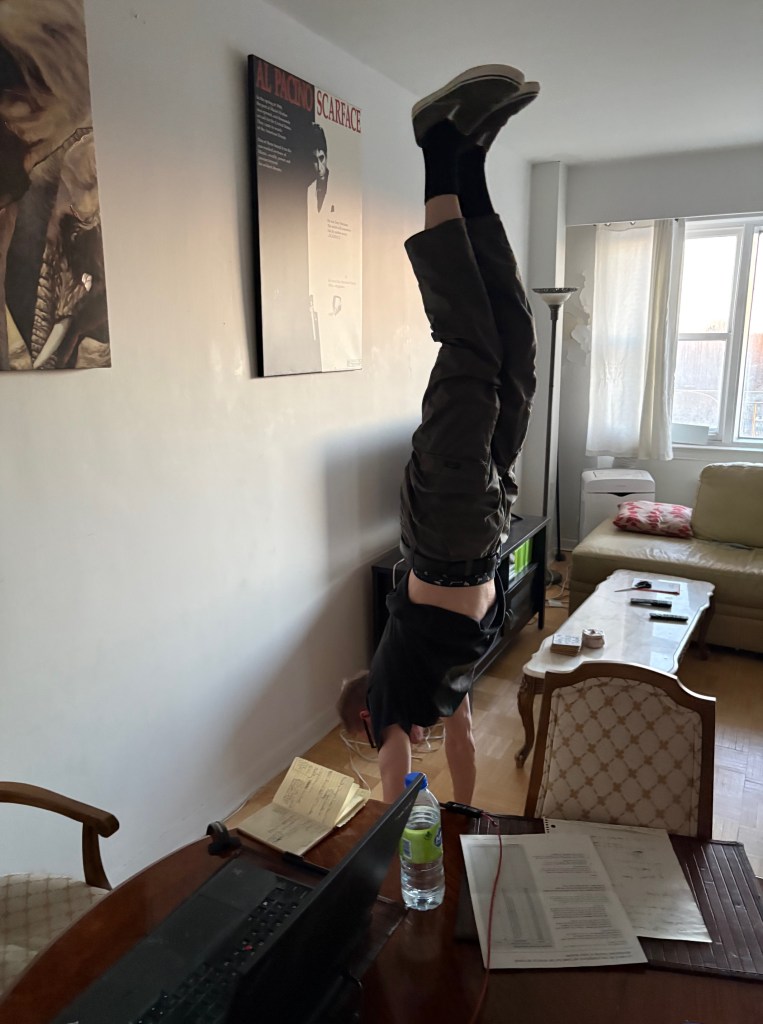
When I started my handstand journey 230 days ago, I couldn’t hold a balance for more than two seconds. I was shaky, I was frustrated, and my ego was taking a beating. But as a burn survivor who has rebuilt from zero before, I knew that the secret to mastery wasn’t talent—it was consistency.
Today, I want to share the “how” behind my daily practice and give you three practical tips if you’re looking to start your own journey of physical and mental discipline.
Why Handstands?
For me, being upside down is a metaphor for life. It requires you to be fully present, to focus on your breath, and to trust your own strength. It’s the ultimate “Wellness & Recovery” tool because it builds core stability, shoulder mobility, and, most importantly, mental focus.
3 Tips for Starting Your Own Practice
- The Wall is Your Best Friend: Don’t try to balance in the middle of the room on Day 1. Use a wall for support.
- Focus on the “Stack”: A great handstand isn’t about muscle; it’s about alignment. Imagine stacking your wrists, shoulders, hips, and ankles in one straight line.
- The 5-Minute Rule: On the days I didn’t feel like practicing, I made a deal with myself: “Just give it 5 minutes.” Usually, once I was upside down, the momentum took over.
The Journey Continues
I’m still learning. Some days are better than others, and that’s okay. The goal isn’t a “perfect” handstand—the goal is the daily commitment to growth.
This same discipline is what I’m now applying to other areas of my life—including a new project I’m working on called The Funnel Lab.
 The Wellness Sage
Leave a comment